About MedWOW

MedWOW is THE multilingual online marketplace for trading medical equipment and connecting buyers and sellers globally.

Hundreds of thousands of complete systems, parts, accessories, and medical supplies are posted for sale and auction!

The user-friendly, international website connects buyers, sellers and service providers of medical equipment from all over the world by offering: comprehensive professional services, unprecedented reliability, multilingual customer support and top value.
Showing posts with label mri. Show all posts

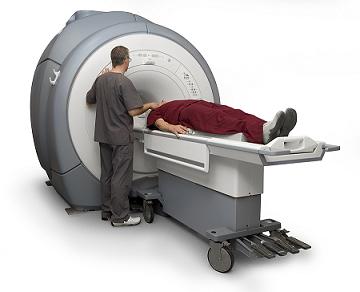
High Field MRI

High field MRI’s use powerful magnetic fields to quickly generate extremely high-resolution images. Because high field MRI’s also scan very quickly, they are excellent for visualizing physiological processes in addition to structural tissue.

Early MRI’s were based on 0.35 and 0.5 Tesla magnets, which were quickly replaced by 1.5 Tesla magnets by the late 1980’s. Higher power magnets yield relatively lower signal-to-noise ratio, which in turn can translate into higher resolution imaging and/or reduced imaging time. By the 1990’s, advances in producing homogeneous magnetic fields and robust signal reception radiofrequency arrays, as well as mechanisms and procedures to ensure patient safety, led to the introduction of high field MRI’s based on 3.0 Tesla magnets, which offered significant improvements in image resolution. Ultra-high field MRI’s are now being introduced which use magnets of up to 7.0 Tesla.

Significantly, high field MRI facilitate new functional MRI techniques which use blood-oxygen level contrast, angiography and other techniques to map muscle oxygenation and muscle function. Ultra-high field MRI also has relatively greater sensitivity to low-gamma nuclei, enabling assessment of sodium physiology and phosphorus metabolites.

Ultra-high field MRI enables studies of human joints such as knees and wrists, since it produces high resolution images of cartilage, which cannot be imaged by conventional MRI due to its small size. Evaluation of joints is further enhanced by ultra-high field MRI’s ability to evaluate cartilage biochemistry via sodium MRI and gadolinium-enhanced MRI. Bone micro-architecture studies also generate metrics for structural alterations associated with bone disorders such as osteoporosis. Sodium MRI supports physiological assessment of muscle as well by providing information about the sodium-potassium pump and ion balance.

High field and ultra-high field MRI offer great promise in the field of brain imaging. A 3.0 Tesla MRI’s provide spatial resolution as low as 200 µm, enabling imaging of blood flow within the vessels of the brain. At 7.0 Tesla, resolution of 50 µm may allow detection of senile plaques such as those associated with early stages of Alzheimer’s disease. At very high magnetic fields, MRI’s could be used to detect biochemical reactions as well as very small lesions, facilitating diagnosis and early treatment of early stage cancers, myocardial infarctions, diabetes and other metabolic disorders.


Orthopedic MRI (Stand Up MRI)

Orthopedic magnetic resonance imaging (MRI) is a valuable tool that generates accurate, clear pictures of the soft tissue that surrounds bones and joints. MRIs enable physicians to clearly see tears and injuries to muscles, ligaments and blood vessels.

Hospital Engineering

Hospitals are complex environments that encompass multiple sophisticated, mission-critical medical, infrastructure and operating systems. Engineering is an essential element of hospital design and engineers are integral to smooth hospital operations and efficient service delivery.

Siemens AG medical equipment


Siemens Healthcare is a division of Siemens AG, a multinational corporation that is based in Germany and active in areas including energy, industry and infrastructure as well as in healthcare. Siemens Healthcare has been a leader in the field for over 130 years.

Cardio MRI Developments

Cardiac magnetic resonance imaging (MRI) is a technology for imaging the heart and its blood vessels that is based on magnet fields and radio frequency. As radio waves pass through a magnetic field generated by the electromagnet within the MRI, they align the protons within the nuclei of hydrogen atoms and generate signals that are detected by the coils that surround the patient.

Types of MRI sequences and their medical use

MRISummarizing the complicated and varied technology in the field of MRI in a brief description represents a challenge. However, it is helpful to know the basic types MR techniques and terminology as the technology has become ubiquitous in patient care. The following is by no means a complete description of MR technology but can help to orient someone new to the field.
Magnetic Resonance Imaging is based on localizing hydrogen atoms in tissue using radiofrequency wave pulses in an applied magnetic field. As the patient lies in the scanner, a magnetic field is applied, which causes the hydrogen proton in the body to “spin” in the direction of the magnetic field. There are two major types of magnets used: permanent magnets and superconducting magnets. Permanent magnets can be thought of a two bar magnets made of metallic alloys that produce a inform magnetic field between them. Another type of magnet is a superconducting magnet, which is encased in liquid helium to prevent energy loss.

Incorporating MRI Parallel Imaging Technologies

Advantages of MRI Parallel Imaging

MRI parallel imaging technology uses complex software algorithms to reconstruct the signals from multiple channels in a way that can reduce imaging times or increase image resolution, without the corresponding increase in imaging times associated with standard MRI scanner imaging. Although parallel imaging techniques have only recently been introduced into MRI scanners in hospitals and clinics, they have already achieved wide clinical acceptance in many imaging applications. Their considerable advantages in terms of better spatial and temporal resolution and enhanced image quality, have updated the position of MRI in a wide range of abnormality and disease imaging.

Multi-channel technology and parallel imaging allows for significant improvements in most clinical MRI scanner examinations. There is no significant degradation in performance, compared to non-parallel imaging. Faster scanning could increase the patient throughout, as well as dramatically improve patient comfort during scans.

This technology could potentially contribute to the use of MRI scanning as an alternative to CT scanning and play a significant role in radiation protection strategies, particularly in young patients.
MRI scanning offers superb soft tissue contrast. However, high- resolution scans are often excluded, due to long scan times. Parallel imaging offers much shorter acquisition times, while retaining the high resolution necessary for early lesion and/or tumor detection

Phased Array Coil System

MRI parallel imaging takes advantage of the numerous elements of phased array coil system. Each element of the coil system is associated with a dedicated radio frequency channel (a special single-channel radio receiver) whose output is processed and combined with the outputs of the other channels (signals acquired by the other coil elements). This technology improves the signal–to-noise ratio (the signal quality) as compared to a standard MRI scanner coil system; while covering the same explored body volume.

Multi-Channel Radio Frequency and Parallel Imaging

Multi-channel radio frequency and parallel imaging technologies are hardware and software implementations, respectively aimed at improving the coverage signal resolution and speed of MRI scanner examinations. With multi-channel technology, the MRI scanner signal used to form an image is collected by a collection of separate coil elements. Each element relays signal information along a separate channel to an image reconstruction computer. Such arrays of coil elements can improve imaging coverage and the ratio of signal-to-noise in the image. The number of elements in the array of detectors is an important factor in characterizing a parallel imaging system.

Multi-channel coil and receiving systems and parallel imaging technologies were first implemented in brain examinations. Recent developments in both hardware and software have allowed for broader clinical applications of these technologies, such as in cardiac, lung, abdomen, and limb studies. For example, parallel imaging, in partnership with multi-channel radiofrequency systems allows for better visualization of small lesions and blood vessels that may allow for an earlier diagnosis of cancer and cardiovascular disease. Greater imaging coverage is possible with multi-channel radiofrequency system technology facilitating oncology screening and peripheral angiography. Finally, scan times are considerably reduced using parallel imaging, allowing for tolerable breath holds when scanning patients. The most current MRI scanners at 1.5T and 3T all feature multi-channel radiofrequency system technology and parallel imaging.

Locating Parallel Imaging Upgrades on MedWOW

MedWOW, the global medical equipment marketplace, is a good place to look when you are ready to upgrade your imaging department by adding multi-channel technology and parallel imaging to your MRI system.

MedWOW features imaging inventories from dealers all over the world, so locating the specific MRI parts you need from a variety of makes, models and manufacturers in a safe and protected environment, is easy and secure. MedWOW is the leading medical equipment portal for all types of medical equipment trade, and with over 12,000 users visiting the site daily; locating your particular MRI parallel imaging upgrade is a relaxed experience.

Understanding Diffusion MRI

Diffusion MRI is a well-known and widely accepted magnetic resonance imaging (MRI) methodology which generates in vivo images of biological tissues weighted with the local microstructural characteristics of water diffusion, providing an effective way of visualizing functional connectivities in the nervous system. This relatively new and powerful imaging technology gives us further tools to study variations and development of normal brain anatomy, and diagnose disruption to the white matter in neurological disease or psychiatric disorder. Diffusion MRI helps us to better understand the structural organization of the brain through an identification of the neural connectivity patterns with the help of Diffusion Tensor Imaging and High Angular Resolution Diffusion Imaging.

Diffusion-weighted magnetic resonance (MR) imaging, boosted by established successes in clinical neurodiagnostics and powerful new applications for studying the anatomy of the brain in vivo, has been an important area of research in the past decade. Current clinical applications are based on many different types of contrast, such as contrast in relaxation times for T1- or T2-weighted MR imaging, in time of flight for MR angiography, in blood oxygen level dependency for functional MR imaging, and in diffusion for apparent diffusion coefficient (ADC) imaging. Even more highly developed technologies than these are in use today for the study of brain connectivity and neural fiber tract anatomy.

Over the years, increasingly complex data acquisition schemes have been developed, while the theoretical foundations of diffusion MRI have come to be better understood. For the radiologist who wants to use these techniques in clinical practice and research, it is important to understand a few key principles of diffusion MRI, as follows:

A recent advance in MRI known as Diffusion MRI looks at the random motion of water particles in the body. This is particularly interesting when taking images of the brain, because water tends to move more along the directions of the connections inside the brain. These connections in the brain, known as "white matter", are crucial to keeping the brain working correctly. They are the pathways that carry information from one part of the brain to another, and if they are damaged, the brain cannot perform even the most simple tasks. Diffusion MRI is unique in its ability to study these pathways, based on how water flows along them.

There are many diseases that affect the white matter in the brain, and it can be very hard to understand exactly how the disease attacks the white matter, to predict how the disease will develop in a particular person, and to decide what the right treatment is for that person. Fortunately, because diffusion MRI is sensitive to changes in white matter, it is an excellent way of finding out about these diseases. For example, if the disease is breaking down the pathways, water stops moving along them, or leaks out of them, and diffusion MRI pinpoints this for diagnostic purposes.